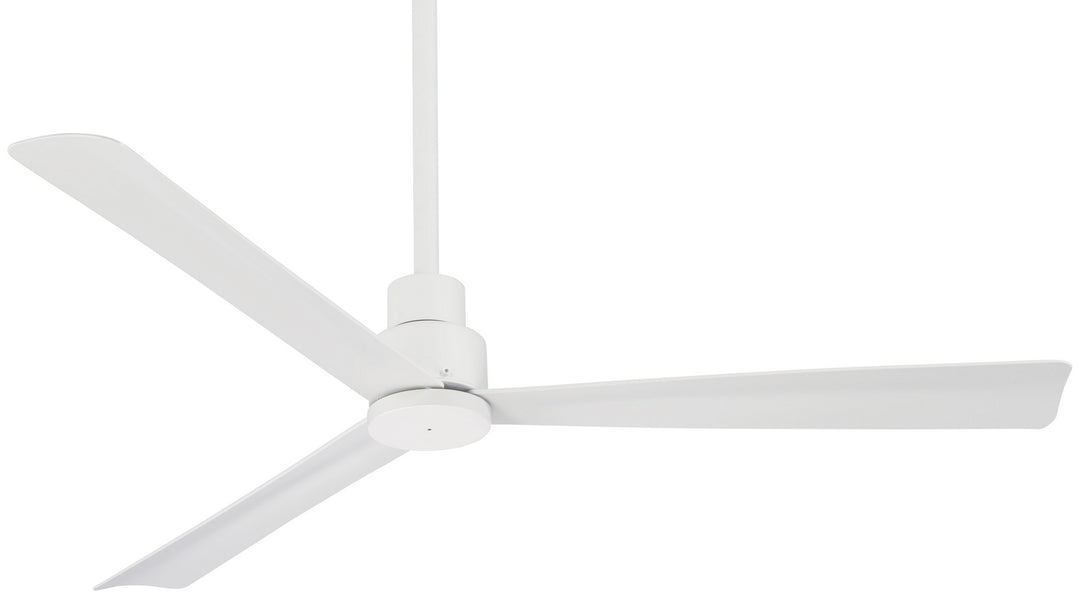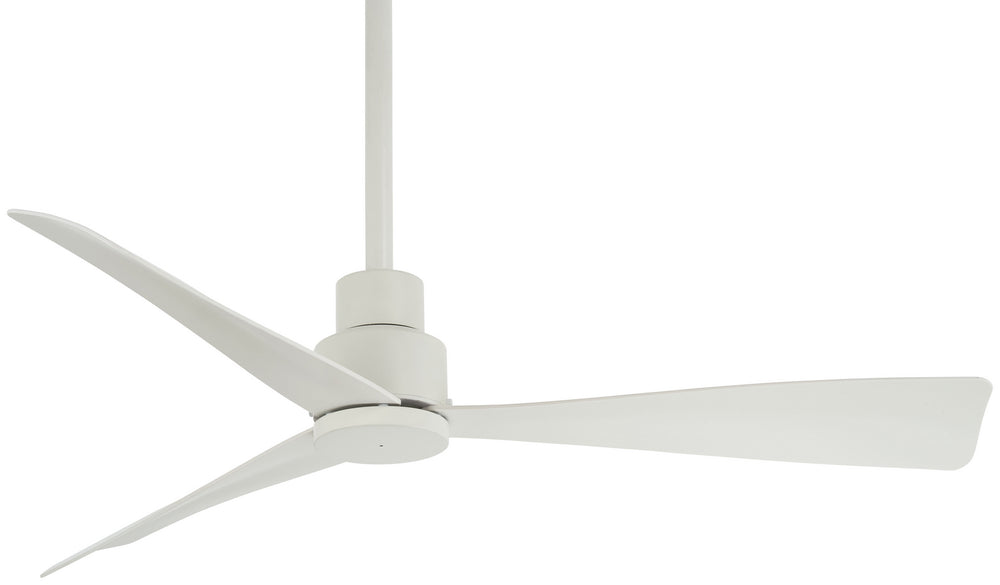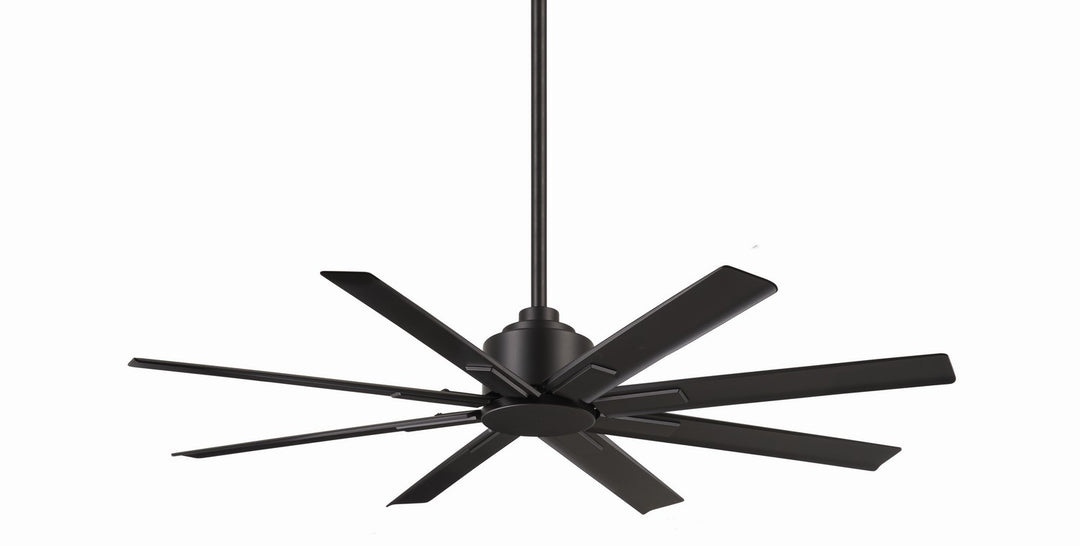














































Featured Fan

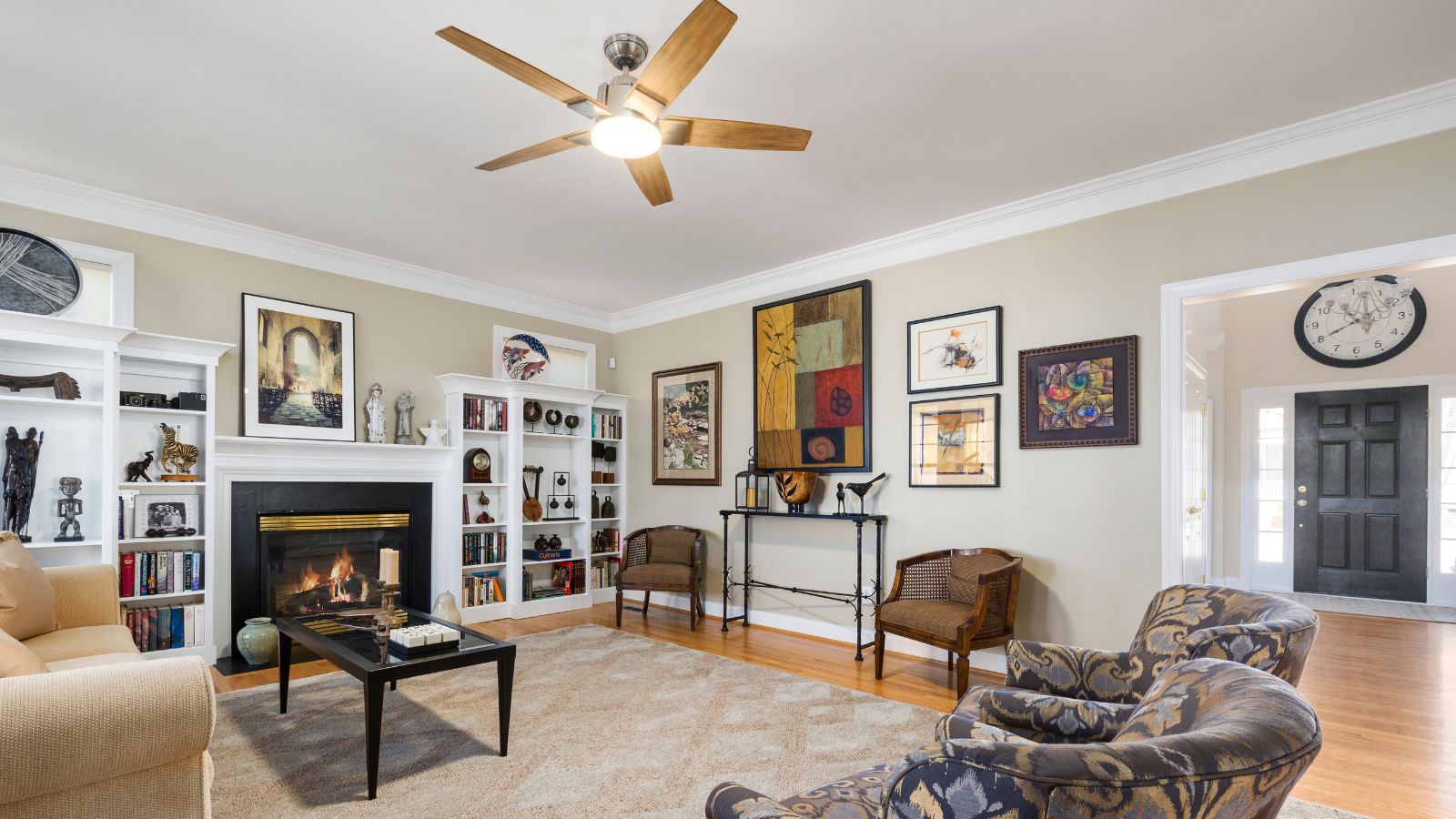
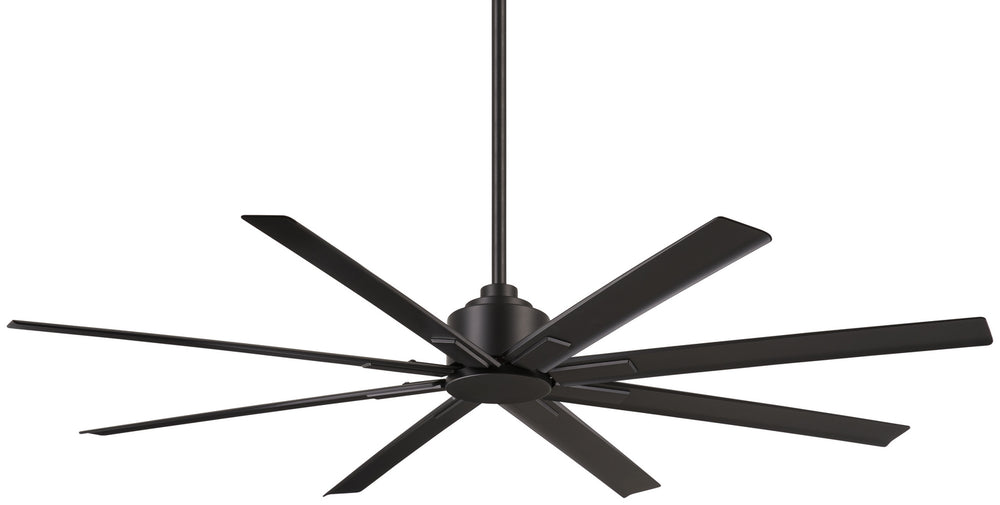
Carrera Grande Eco - Oil Rubbed Bronze

Emerson

Carrera Grande Eco - Oil Rubbed Bronze  [ CF788ORB ]

More Information
$429.00
Craftmade Quorum Kichler Minka-Aire Fanimation Monte Carlo
Casablanca Hunter Tommy Bahama Ellington Concord

About Ceiling Fans

What is a ceiling fan?

A ceiling fan is an appliance made to circulate air. It uses an electric motor to turn fan blades in order to move air. It is used to equalize the temperature at floor and ceiling levels to reclaim hot air trapped at the ceiling level. Fans also create a breeze, which makes the air feel cooler. It can blow or draw air, depending on which way the fan is set to operate. A Ceiling Fan is very energy efficient can cause substantial reductions in heating and cooling costs. The average ceiling fan costs 4.5 to 10 cents per hour.

Why Ceiling Fans?

Style, quality workmanship, the silent rhythm of motion, and the economic benefits in heating and cooling make the ceiling fan one of the world's most useful appliances. The ceiling fan enhances our environment and adds comfort. It meets a need.

The Cooling Function

Very few items found in the home can match a ceiling fan's combination of outward beauty, functional effectiveness, and dependability. A quality ceiling fan increases the beauty of any home or apartment. It can also lower heating and cooling bills, which makes a ceiling fan an investment that pays for itself. As air moves across our skin, it evaporates body moisture, making one feel cooler and more comfortable. With a ceiling fan generating cooling breezes in your home, you can set your air conditioning thermostat at a higher, more economical level. With a ceiling fan working, 78 or 80 degrees can be as comfortable as 72 degrees--leading to big energy savings.

This savings could add up to as much as 40% during the summer. Even at high speed, a ceiling fan typically uses less energy than a 100 watt light bulb and less than a 25 watt bulb at low speed.

Heat Reclamation

Ceiling fans are more than a cooling device. It can also more effectively distribute heat throughout your home. Warm air rises; cool air can become trapped near floor level. This accumulation of air layers can be a problem during colder months, especially in rooms with high or domed ceilings. A ceiling fan breaks up the cool and warm layers, making the overall room temperature uniform. By simply flipping a switch to reverse the fan's direction, warm air is moved across the ceiling and down the walls to evenly distribute the warm air that was once trapped at the ceiling. Thus, in the reverse setting, ceiling fans distribute the heat throughout the room without creating a cooling draft. The result is that warm air is where you need it, not up at the ceiling. So, in winter you can lower your furnace thermostat by several degrees, which can help to reduce heating costs.

Some will argue that fans can be as effective at reclaiming heat when blowing in the down function when the room has exceptionally high ceilings. Note: the ceiling fan should be within two or three feet of the ceiling to be most efficient in this situation and expect to run the fan at the higher speeds for this type of application.

Outdoor ceiling fans not only make outdoor living more comfortable, the air movement from a ceiling fan keeps air borne pests away

Can a ceiling fan improve comfort in almost every room in the home? ...YES!

  • Bedrooms - There are many nights when the air conditioning can be turned off providing greater energy savings with no loss of comfort.
  • Bathrooms - Eliminates mildew by drying towels and showers quickly. This is a perfect application for a ceiling fan, even though bathrooms are often quite small.
  • Kitchens - Quickly disperses heat, smoke, odors, etc. Short span blades are excellent for these rooms.
  • Recreation and Living Rooms – Fans can keep active people comfortable.
  • Sunrooms, Atriums, decks, outdoor areas – fans are made for outdoor usage and function to keep you cool and keep airborne pests away.
  • Dining Room - By using medium speed upward airflow, diners can be kept comfortable in the typically smaller area without cooling the meal.
  • Rooms with Fireplaces - Circulates and distributes heated air through other parts of the home reducing furnace usage.
  • Vaulted Ceiling Rooms - Eliminates heat stratification for improved winter comfort and reduced energy bills.

Fan Controls

Fans are controlled three basic ways: pull chain, wall control, and remote control. All fans have at least three speeds. There are wall controls and remote kits that will enable the fan to have from 4 to 6 speeds. Fan must never be controlled by infinite speed, or dimmer wall controls because they will make most fans HUMM and can cause component parts to break down prematurely. Some fans come with remote or wall controls and you can add additional controls. For most pull chain fans, there are usually at least a couple remote or wall control option available.

Airflow and Efficiency

Largest blade pitch + greatest RPMs = best airflow. The amount of energy a fan consumes plus the volume of air the fan moves determines the fan’s overall efficiency. See cost per hour figures:

Device Cost Per Hour
Ceiling Fan $0.10
Air Conditioner $1.63
Central Air $4.30

Blade Quality

The highest quality ceiling fan blades are seven ply, which are furniture quality. Although most are multi-ply wooden ceiling fan blades with photo finishes. These ceiling fan blades have come a long way and some will make it difficult for most to determine whether they are real wood or not. Hunter Ceiling Fans use a variety of ceiling fan blades including plywood, veneer, molded plastic and hard wood. The molded plastic are ideal for outdoor use as they do not warp.

Blade Length

The sweep or span of a ceiling fans blade is critical to overall performance. As the blade increases in length, the ceiling fan will push air over a larger surface area. Conversely, smaller bladed ceiling fans tend to move a larger volume of air over a smaller surface area. Most 52" ceiling fans move air out and away from the ceiling fan, which makes them efficient at circulating air in larger areas. Normal blade lengths range from 16” to 30” (not fan diameter). Normal blade span diameters 42”/44”, 50”/52”, 56”, 60” and 72”. There are also specialty small fans that range from 24” to 38” in diameter.

Number of Blades

As the number of ceiling fan blades decrease, the amount of air moved increases. Five bladed ceiling fans are the norm, so we are all accustomed to seeing them in most applications. The counter-intuitive truth is, however, that four blades move more air than five, three blades move more air than four, etc. Three bladed fans with large motors and a 14 to 16 degree blade pitch are the most efficient fans on the market. That is why industrial or commercial grade fans always have three blades. Also, as the blade increases in size (width), the fan moves less air (think wide palm leaf) because the motor is working harder to move the blades and there is less room in between the blades for the air to circulate. In other words, the fan begins to simply push air instead of efficiently circulating it.

Blade Pitch

Blade pitches range from 8 to 16 degrees. The larger the pitch, the stronger the motor needs to be for the fan to move air effectively. Large motor + good blade pitch = more air movement - especially in the lower speeds. Most larger motor fans have a 14 to 16 degree blade pitch

Construction

In the cheaper fans, the outer covering or case over the motor, the switch housing and the canopy will be made of very thin material. In the more expensive fans, these parts are castings and approximately 1/8” thick. The thin components will tend to vibrate and rattle more. Also the plating will not look as good as the years pass. Some of the highest quality fans will be constructed of die cast zinc.

Mounting Type

Most ceiling fan manufacturers offer 3 different mounting systems either included with each fan or sold separately and or 3 different styles of fans. The first, most common style is the standard downrod style which comes with anywhere from 2.5" to 12" downrods depending on the model. Longer or extension downrods are also available for higher ceilings and are sold separately by the foot. Some of these standard mount fans can also be flush mounted depending on the particular style and model. Almost all standard Hunter Fans, for example, include a unique Installer’s Choice © 3-Position Mounting System that allows for flush mount or standard hanging options. The second style of mounting systems is the actual Low Profile or Flush mount fan. This fan does not include a downrod and mounts directly to your ceiling, maximizing ceiling height. The third type of mounting system is an angled mounting system for installation on vaulted ceilings or ceilings that are not flat. Most ceiling fan models come with a standard pivot ball that allow for mounting on vaulted ceilings with pitches as steep as 32 degrees. For steeper vaulted ceilings, most manufacturers offer vaulted mounting systems (sold separately).

Ceiling Diagram

Warranty

When you hear “Lifetime”, be careful to read the warranty papers. Normally it will be a “Limited Lifetime” warranty and the only part of the ceiling fan that exceeds one year, will be the motor. All the component parts will normally be one year. The ceiling fan motor will almost always outlast the component parts. So how important is the warranty anyway?

Sizing a fan to a room

The following is a general guide for selecting the proper fan for your room/area.

Downrod Length Room Size Square Footage
36" Smaller than 10 x 10 100 square feet
42" to 44" 10 x 10 144 square feet
50” to 52” 12 x 12 to 18 x 18 144 to 324 square feet
56" 15 x 15 to 20 x 20 225 to 400 square feet
60” to 72” 20 x 20 + 400 square feet and above